
What Is Dormant Pruning
Dormant pruning is one of the most powerful ways to keep your landscape thriving year after year.
It’s performed during the plant’s “sleeping” season, typically January and February in the Pacific Northwest, when trees and shrubs are no longer actively growing. By cutting back select branches during dormancy, landscapers can shape, rejuvenate, and strengthen the plant without causing stress or stimulating new growth that could be damaged by cold weather.
At Avid Landscape, we view dormant pruning as both a science and an art. It’s an opportunity to give your landscape a fresh start, reduce the risk of winter damage, and set the stage for lush, vibrant growth in spring. Our crews perform this service as part of most commercial maintenance contracts, ensuring properties look intentional and well cared for even in the off-season.
Dormant pruning also ties directly into our broader philosophy of right plant, right place—making sure every plant is suited to its environment and maintained appropriately. (Learn more about this approach in our article Right Plant, Right Place: A Smarter Approach to Commercial Landscaping.)
The Science Behind Dormant Pruning
When plants go dormant, their energy reserves are redistributed from the leaves and stems into the root system. This natural slowdown allows us to prune without interfering with photosynthesis or causing unnecessary stress. The cuts made during this period heal more slowly, but safely, long before the plant starts pushing new growth in spring.
Benefits of Winter Timing
- Less risk of disease. Most fungal spores and pests are inactive in cold weather, minimizing infection risk.
- Better visibility. Without leaves, the plant’s structure is easy to see, allowing for precise cuts and cleaner shaping.
- Improved vigor. Pruning redirects energy to healthy buds and roots, leading to stronger spring growth.
- Reduced stress. Cutting while dormant avoids shock from sudden loss of foliage during the active season.
“We use dormant pruning to do rejuvenative care for a lot of different plant materials,” explains Will Bailey, Co-Owner of Avid Landscape. “It lets us shape and refresh shrubs so they regrow in their natural form, as nature intended.”
What Types of Plants Benefit Most
Not every shrub or tree benefits from dormant pruning, but for the right species, it can make a dramatic difference in health and appearance.
Shrubs That Respond Well
- Shrub Dogwoods (Cornus species): Known for their colorful red or yellow bark, these dogwoods lose brightness as stems age. Pruning encourages vivid new canes that stand out beautifully against winter snow or mulch. (Note: Tree-form dogwoods are not included.)
- Spirea: These fast growers benefit from a hard cutback to maintain size and shape. Dormant pruning keeps them full, compact, and bursting with blooms come summer.
- Hydrangeas: Especially helpful for hydrangea paniculata and arborescens varieties, pruning helps manage size and promote larger blooms. Some bloom delay may occur, but the long-term structure improves.
- Rhododendrons: These woody evergreens require gentle, selective pruning to thin overgrowth or reshape after years of neglect. The plant may take a season or two to restore its bloom cycle, but the improved health is often worth it.
- Nandina (Heavenly Bamboo): As a cane-form shrub, Nandina should have its oldest canes thinned periodically. Removing about one-third of the oldest stems stimulates fresh, upright shoots from the base.
| Plant Type | Dormant Pruning Benefit | Notes |
| Shrub Dogwoods | Restores bark color, promotes new canes | Do not prune tree forms |
| Spirea | Keeps shrubs compact and uniform | Cut back to 6–12” above ground |
| Hydrangea | Controls size, stimulates growth | May delay blooms for one season |
| Rhododendron | Improves shape and airflow | Avoid heavy pruning all at once |
| Nandina | Refreshes canes and height balance | Remove ⅓ of oldest stems |
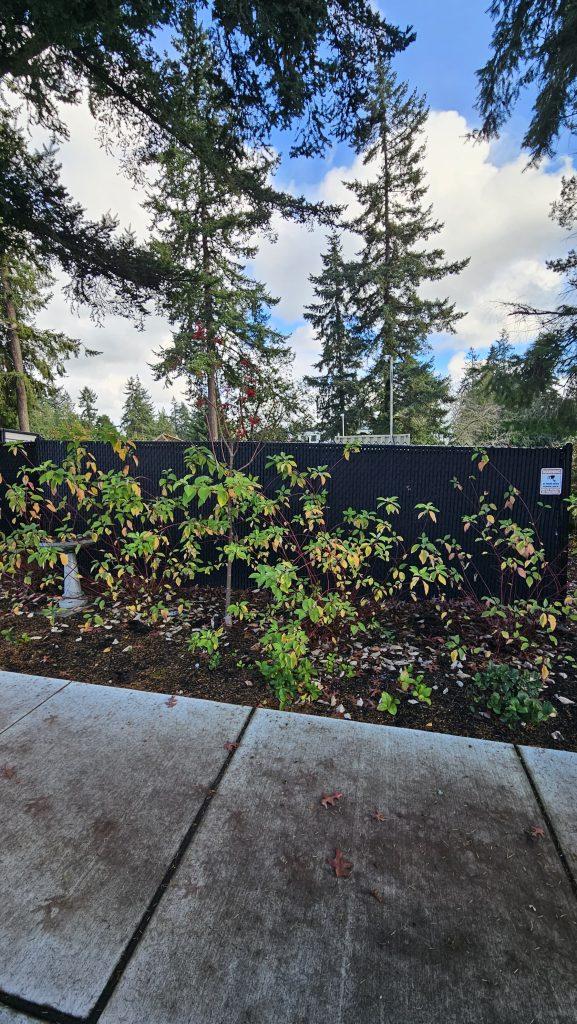
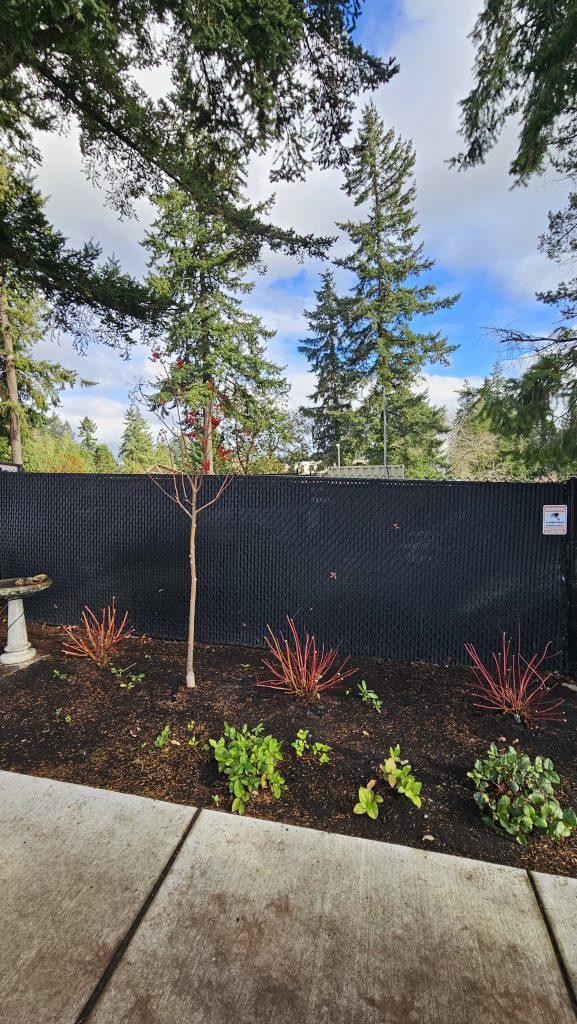
Before & after rejuvenation pruning of Red Twig Dogwood
Shrubs to Avoid Pruning in Winter
- Spring-blooming shrubs, such as lilac, forsythia, and azalea, bloom on old wood and should be pruned after flowering instead.
- Tender or young plants that have not established deep root systems are better left untouched until spring.
Knowing which species to prune, and how much, is key. That’s why every dormant pruning service from Avid begins with a professional consultation.
Our Process: How Dormant Pruning Works
Every landscape is unique, and so is every pruning plan. Here’s how Avid’s team approaches dormant pruning for both commercial and residential clients:
Step 1: Consultation & Site Walk
Our certified professionals visit your property to assess plant condition, species, and placement. We identify shrubs that will benefit from pruning and note any that should wait until after bloom. This is also when we discuss aesthetic goals—whether you want to control size, rejuvenate overgrown beds, or simply maintain a neat, natural shape.
Step 2: Proposal & Recommendation
You’ll receive a detailed, transparent proposal outlining:
- The shrubs to be pruned
- The timing and extent of work
- What visual results to expect come spring
- Cost and disposal details
For commercial clients, this often fits seamlessly into the winter maintenance contract; for homeowners, it can be scheduled as a standalone service.
Step 3: Pruning by Hand
We use hand pruners and loppers rather than powered tools. This gives us greater precision, reduces noise on your property, and aligns with our EcoPRO certification standards. Hand pruning also prevents unnecessary tearing of bark or damage to buds.
Step 4: Clean-Up and Composting
All debris is collected, transported, and sent to an approved local composting facility. Nothing goes to waste. The pruned material eventually becomes nutrient-rich compost—often returned to landscapes as mulch later in the year.
Step 5: Follow-Up and Monitoring
Our account managers revisit sites as plants break dormancy in spring. We check for even growth, ensure cuts have healed properly, and determine whether light touch-up pruning or fertilization is needed to support recovery.
What to Expect After Dormant Pruning
Immediately after pruning, plants can look stark or even “bare.” This is completely normal. Within weeks of warmer weather, you’ll see fresh green shoots emerging from the base and buds swelling along newly exposed branches.
Typical Results You’ll Notice
- Fuller, healthier growth by mid-spring.
- Vibrant bark color on redtwig or yellowtwig dogwoods.
- More natural plant shapes that don’t require constant shearing.
- Improved sunlight and airflow through shrub canopies, reducing disease risk.
“By doing this type of pruning,” says Bailey, “you’re allowing the plant to regrow naturally. You’re not forcing it into a shape & it just looks better and stays healthier over time.”
Over time, clients often find dormant pruning actually reduces annual maintenance needs. Shrubs stay smaller, healthier, and require fewer mid-season trims.
When Dormant Pruning Is Included and When It’s an Add-On
For many commercial and multifamily clients, dormant pruning is already included as part of Avid Landscape’s year-round maintenance contracts. It ensures that all common areas, entrance beds, and specimen shrubs remain balanced and attractive through the seasons.
However, there are situations where extra pruning is needed—for example, on neglected or newly acquired properties.
Will Bailey explains: “We’re taking on a property this fall where the hydrangeas have gotten absolutely enormous after a year of neglect. In cases like that, we perform severe rejuvenation pruning to reset the landscape, and that’s typically billed as an enhancement.”
When Extra Work Is Recommended
- Shrubs have become woody or leggy.
- Bloom production has declined sharply.
- Branches are crossing or rubbing.
- Plant size is blocking windows, signage, or pathways.
A short-term investment in rejuvenation pruning can prevent long-term decline or replacement costs later.
For budgeting guidance on services like these, see our related post: Commercial Landscape Budget Planning: Why It Pays to Think Beyond Basic Maintenance.
How Dormant Pruning Helps Commercial Properties
Commercial and multifamily landscapes benefit from dormant pruning in ways that go beyond aesthetics.
1. Safety and Liability Reduction
Overgrown shrubs near sidewalks, entryways, or parking areas can pose hazards when weighed down by snow or ice. Dormant pruning eliminates weak or crossing branches that might break during storms, reducing potential property damage or injuries.
2. Improved Visibility and Curb Appeal
By reshaping shrubs during the off-season, we maintain clear sightlines for signage, lighting, and walkways. This gives your property a crisp, professional look year-round—something residents and tenants notice immediately.
3. Long-Term Cost Savings
Proactive winter maintenance minimizes the need for corrective pruning or plant replacements later. Instead of rushing to fix overgrowth in spring, the landscape starts the year balanced and healthy.
4. Sustainability and Eco-Alignment
Dormant pruning fits neatly into Avid’s sustainability promise. Manual equipment reduces emissions and noise, composting minimizes landfill waste, and healthier plants require fewer chemical inputs down the line.
The Eco-Friendly Advantage
As an EcoPRO Certified Sustainable Landscape Professional, Avid Landscape integrates environmental responsibility into every service. Dormant pruning reflects this philosophy in several ways:
- Less Fuel Consumption: Using hand tools instead of gas-powered trimmers cuts emissions and noise pollution.
- Waste Recycling: All clippings are recycled through local composting partners, returning nutrients back to the soil.
- Reduced Chemical Dependency: Healthier, well-structured plants are more resistant to pests and diseases, meaning less need for pesticides or fertilizers.
- Right Plant, Right Place: Dormant pruning supports the same principles discussed in our Right Plant, Right Place blog. Helping plants thrive naturally in their environment without constant intervention.
Sustainability isn’t an add-on for Avid; it’s our default operating mode.
Pricing, Scheduling, and What’s Included
Dormant pruning services are typically quoted as fixed-price projects, factoring in the number of shrubs, accessibility, and the amount of material to be hauled. For properties under a maintenance contract, the cost is already built into the winter service schedule.
Average Pricing Factors
| Factor | How It Affects Cost |
| Property size & number of shrubs | Larger sites require more labor and disposal |
| Access & terrain | Slopes or confined spaces increase time on site |
| Severity of pruning | Light maintenance vs. full rejuvenation |
| Disposal needs | Volume of debris determines haul-off and compost fees |
Timing: Dormant pruning takes place from January through February—after plants have fully entered dormancy but before buds begin to swell in early spring. Slots fill quickly, so scheduling ahead ensures your property is on our winter route.
Case Study: Rejuvenating an Overgrown Garden
One of Avid’s recent projects involved a Bellevue multifamily property that had paused landscaping during a year-long siding replacement. By fall, hydrangeas in the courtyard had grown chest-high and blocked windows, while spirea had lost its shape entirely.
Avid’s crew began with a property-wide assessment, flagging plants suitable for dormant pruning. In January, they returned to perform a deep cutback, removing roughly two-thirds of the old wood on hydrangeas and thinning the spirea to rejuvenate their form. All debris was hauled for composting.
By May, the shrubs were sprouting full, fresh foliage and blooming evenly again. The HOA board, initially nervous about the “short haircut,” reported rave reviews from residents and noted a noticeable improvement in overall curb appeal.
10 Frequently Asked Questions (FAQ)
Q1: When is the best time for dormant pruning?
A: January and February are ideal, when plants are fully dormant and temperatures remain consistently cold.
Q2: Can all plants be pruned in winter?
A: No. Some flowering shrubs bloom on old wood and should only be pruned after flowering.
Q3: Is dormant pruning the same as hard pruning?
A: Not always. Hard pruning refers to more severe cutbacks, used for neglected or overgrown shrubs, while dormant pruning can also include light shaping.
Q4: Will pruning hurt my plants?
A: When done correctly, pruning helps plants redirect energy into healthy new growth. Our crews are trained to identify proper cut locations for each species.
Q5: How soon will I see results?
A: Expect visible regrowth in early spring and fuller, healthier plants by mid-summer.
Q6: Do I need an arborist for dormant pruning?
A: Not for shrubs. Avid does have a certified arborist on staff for tree work, but most dormant pruning focuses on shrubs and smaller ornamentals.
Q7: How does this help with snow or storm damage?
A: Pruning reduces weak or crossing branches that could snap under snow or ice load, protecting plants and property.
Q8: How does Avid dispose of debris?
A: All clippings are taken to local composting partners. Nothing is burned or sent to landfill.
Q9: Can homeowners request dormant pruning?
A: Yes! While most services are commercial, we offer winter pruning to select residential clients through our design-build and maintenance division.
Q10: Is it ever too late for dormant pruning?
A: Once buds start to swell, usually in March, it’s best to wait until next winter to avoid damaging new growth.
Why Partner With Avid Landscape
Dormant pruning is just one of the many ways Avid Landscape helps property managers, HOAs, and homeowners care for their landscapes throughout the year. Our EcoPRO certification, experienced leadership, and client-first communication ensure every service is sustainable, transparent, and done with precision.
When you work with Avid, you’re not just checking a box on your maintenance list; you’re building a healthier, more beautiful landscape that lasts.
Ready to schedule your dormant pruning consultation? Contact Avid Landscape today to reserve your January or February appointment. Our experts will assess your property, explain what to expect, and help your shrubs come back stronger than ever this spring.