
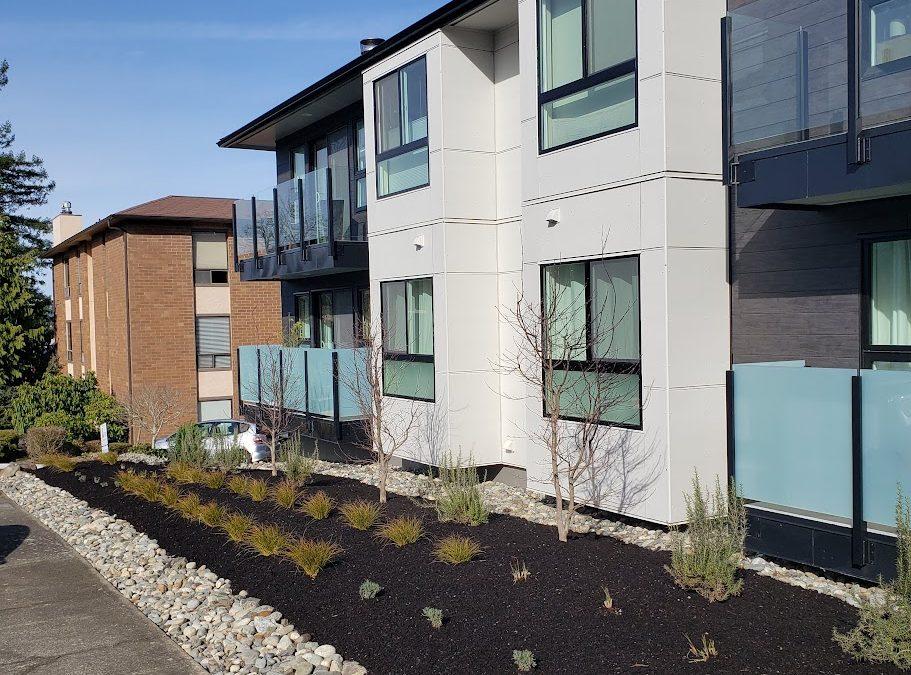
Mulching in February and March is one of the most effective ways to set your landscape up for a successful spring. When mulch goes down early, before weeds begin to germinate and before plants start pushing new growth, it becomes a foundational part of your landscape’s long-term health.
Early-season mulch suppresses weeds, stabilizes soil temperatures, improves water retention, and supports sustainable soil biology. It also aligns with proactive property budgeting and maintenance planning, which is a core part of our approach to supporting commercial clients. You can learn more about this planning philosophy in our guide to commercial landscape budget planning.
This article explains why timing matters, which mulch materials support sustainability, how our mulch installation process works, and why annual mulching is one of the best investments you can make for the long-term health and appearance of your landscape.
What Mulch Does for Your Landscape
Mulch is an organic material applied to the soil surface to moderate soil temperature, hold moisture, suppress weeds, and create a clean finished look. Beyond the aesthetics, mulch plays a major role in soil health. Compost-based mulches provide organic matter that feeds microorganisms, improves soil structure, and enhances nutrient cycling. These are all critical qualities for long-lived commercial landscapes and multifamily sites that need predictable performance and reduced reliance on chemical interventions.
Mulch also supports our broader landscape management program. It is an essential part of full-service grounds care, which includes bed maintenance, seasonal enhancements, pruning practices, and long‐term plant health care. Learn more about our maintenance programs.
Mulch is not decorative filler. It is a functional, sustainable, soil-building tool that impacts the health of your plant material for years.
Why Mulching in February and March Matters
Many property managers and owners think of mulching as a spring task. The misconception is understandable. Most people associate mulch with a fresh seasonal look. However, the timing of mulch installation is a critical part of getting the full benefit.
Below are the reasons early-season mulching is a best practice in the Pacific Northwest.
Stops spring weeds before they germinate
Most spring weeds begin to germinate as soon as temperatures rise. Once a weed germinates, it will find a way to break through even a fresh mulch layer. Applying mulch in February and March helps stop weeds before they establish a foothold, which significantly reduces hand weeding and chemical intervention later in the year.
This approach aligns with best practices in Integrated Pest Management, especially the emphasis on prevention and cultural controls.
Beds are clean, bare, and ready for mulch
By February, most winter cleanup work is completed. Perennials have been cut back, leaves are removed, dormant pruning is finished, and edging is established. Landscaping beds are at their cleanest and most open. This creates the ideal conditions for an even mulch layer that is not obstructed by plant foliage.
Plants emerge through mulch naturally
When mulch is installed before plants leaf out, they grow through it cleanly. This produces a much more refined appearance and allows mulch to settle naturally.
Installing mulch after plants have leafed out is much harder. Mulch must be carefully tucked around foliage, which is more time-intensive and often less consistent.
Early mulch stabilizes soil temperatures
Mulch regulates soil temperatures, keeping the soil insulated during late winter fluctuation. This promotes healthier root development and reduces plant stress.
Improved early-season moisture retention
Spring soils lose moisture quickly during warm, windy spells. Mulch slows evaporation and gives landscapes more consistent moisture. For properties with irrigation systems, this can also help reduce early-season watering demands.
Lower maintenance workload during peak season
Applying mulch early creates a smoother transition into warmer months. Landscapes begin spring clean, weed-free, and with strong soil health. This reduces reactive maintenance tasks and helps crews focus on higher-value work.
The Best Mulch Types for Sustainable Landscapes
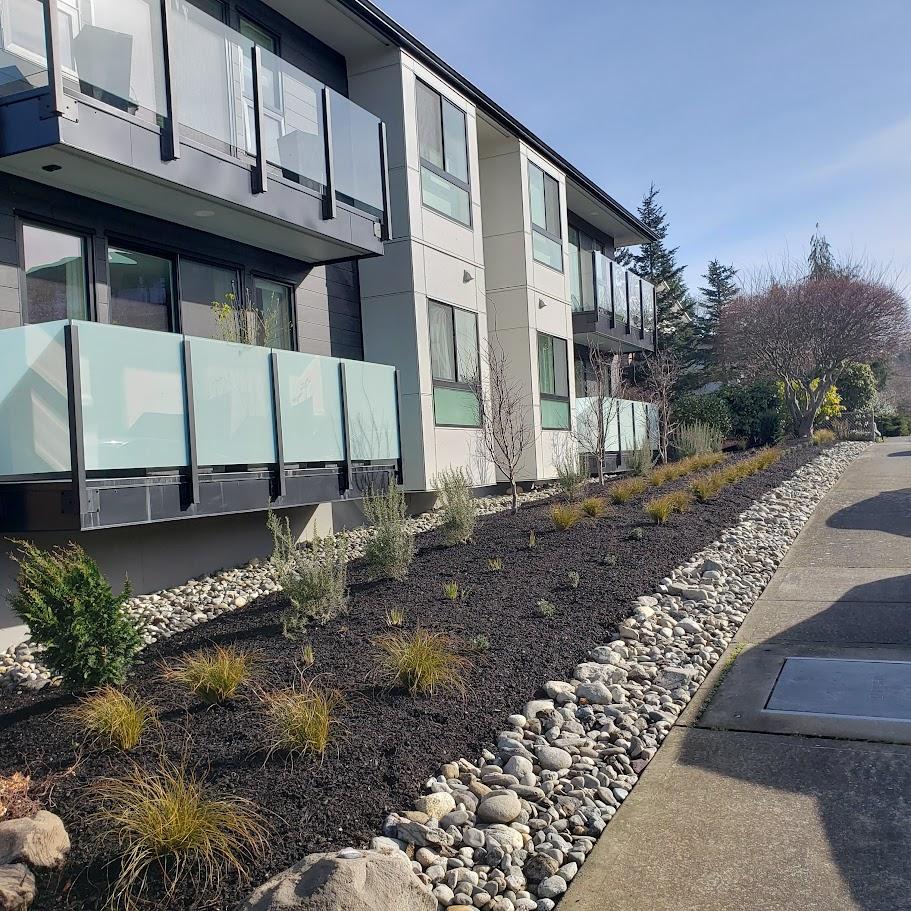
Mulch quality makes a major difference in long-term landscape performance. At Avid Landscape, we recommend compost-based dark mulch as the best overall choice for commercial, multifamily, and high-end landscapes.
Compost-Based Dark Mulch (Preferred)
This material has become a standard throughout Seattle and Western Washington for several reasons.
Compost-based dark mulch is made from composted organic materials (typically aged bark, wood fiber, and composted yard waste) that have been processed and broken down into a fine, nutrient-rich material. Unlike traditional bark mulch, which is simply shredded or chipped wood that takes years to decompose, compost-based mulch has already gone through the initial decomposition process. This means it begins feeding the soil immediately rather than pulling nitrogen from it during breakdown. The composting process also eliminates weed seeds and creates a darker, more uniform color that holds its appearance longer than raw bark products. The result is a material that functions as both a protective mulch layer and an active soil amendment.
It has a darker, modern aesthetic that enhances early spring foliage. It aligns with our EcoPRO commitment—our company-wide approach to sustainable landscape management that prioritizes environmental stewardship, resource efficiency, and long-term ecosystem health. EcoPRO guides our material selections, maintenance practices, and cultural methods to reduce environmental impact while delivering exceptional landscape performance. Compost-based mulch is a cornerstone of this philosophy because it actively improves the soil ecosystem rather than simply covering it. By choosing materials that feed soil biology and support natural nutrient cycling, we help create landscapes that require fewer inputs, fewer interventions, and less reliance on synthetic treatments over time. You can learn more about our EcoPRO approach here: https://www.avidlandscape.com/why-choose-us/
It supports nutrient cycling and microbial activity in the soil. It decomposes naturally and feeds soil biology over time. It improves soil structure without adding synthetics. Compost-based mulch is a functional soil amendment that pays dividends in plant health and landscape longevity.
Dyed Red Bark Mulch
This material used to be popular, but it is no longer aligned with sustainable landscape practices. It takes much longer to break down, and as it decomposes, it steals nitrogen from the soil. It also tends to fade inconsistently, leaving behind patches of varying colors. Because it does not contribute to soil health and often compacts over time, it leads to higher long-term maintenance costs. The short-term color aesthetic is not worth the long-term negative effects.
Why We Do Not Use Weed-Barrier Fabric
Weed-barrier fabric is often marketed as a simple way to eliminate weeds. In practice, it creates significant long-term bed maintenance problems.
Fabric tears, shifts, and surfaces through mulch over time, creating visual issues and making removal labor-intensive. As mulch decomposes, it creates a layer of organic material that sits on top of the fabric. This layer becomes a seedbed for airborne weeds, meaning the property is fighting weeds above the barrier rather than below it. Weed fabric also restricts oxygen and moisture movement, which interferes with healthy soil biology and causes compaction. From a sustainability standpoint, it introduces unnecessary synthetic materials into the landscape without delivering long-term value.
Because of this, mulch alone is the preferred method for weed suppression. It is sustainable, functional, and easier to refresh each year.
How Much Mulch Your Landscape Really Needs
We evaluate existing mulch depth on every property before determining the correct amount required for optimal results.
Most properties that mulch annually benefit from a 1.5 inch layer. This depth provides effective weed suppression and soil protection without smothering plants. If mulch has not been refreshed for two or more years, a deeper application may be necessary initially to rebuild the soil layer and achieve consistent coverage. For new planting beds or recently renovated areas with fresh soil, additional mulch can help stabilize the surface and protect young root systems.
Mulch is not just about appearance. Proper depth directly affects how well it performs.
Our Mulch Installation Process
Mulch installation is a technical process. Applying it correctly protects plant health, supports weed suppression, and enhances the overall appearance of your landscape.
We begin with a property evaluation in which we assess mulch depth, soil condition, weed pressure, and the layout of plant material. Beds are then prepared by completing any outstanding winter work, such as leaf removal, edging, dormant pruning, and perennial cutbacks.
Once beds are ready, mulch is delivered and staged strategically to minimize disruption. Our crews spread mulch evenly at approximately 1.5 inches, taking care to avoid piling mulch around plant crowns. Edges are smoothed and defined to create clean lines throughout the property. The installation concludes with a full site walkthrough to ensure coverage is uniform and all hard surfaces are clean and clear.
This process is part of our larger approach to proactive commercial landscape maintenance, which you can explore here.
How Mulch Supports Sustainable Landscapes
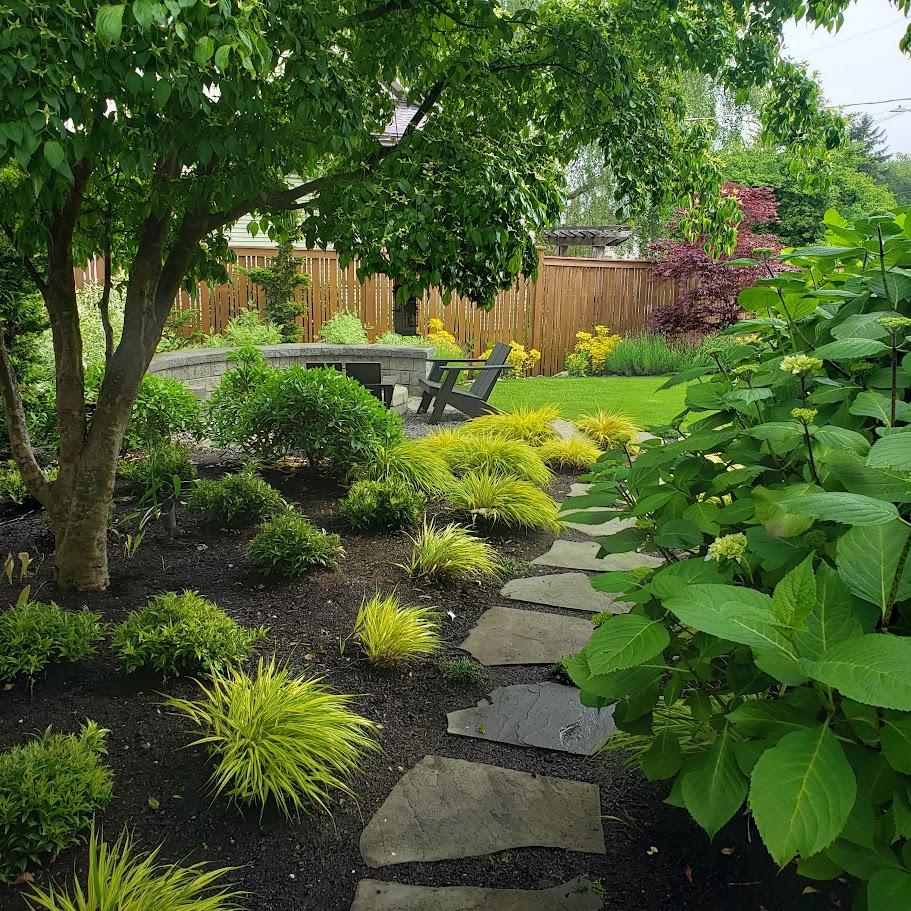
Mulch plays a central role in creating long-term sustainable landscapes because it directly improves the soil that plants depend on. Compost-based mulch continuously adds organic matter as it breaks down, which enhances soil structure, water retention, and nutrient availability. This supports healthy soil biology and reduces the need for synthetic fertilizers.
By acting as a natural weed suppressant, mulch also reduces dependence on herbicides. This approach aligns with our philosophy of Integrated Pest Management, where cultural practices take priority over chemical treatments whenever possible. Mulch helps stabilize soil temperatures, keeping root zones insulated during early-season temperature swings, and it improves moisture retention throughout the year, which can lower irrigation demand during drier months. Together, these benefits help maintain resilient plant material, reduce environmental impact, and support more predictable maintenance cycles across commercial and multifamily properties.
Why Mulching Every Year Is the Best Approach
Annual mulching is the most effective way to maintain soil health, manage weeds, and keep landscapes consistently attractive. Over the course of a year, mulch naturally decomposes and settles into the soil, enriching it with organic matter. Refreshing it annually rebuilds this layer and ensures the soil remains protected, evenly covered, and insulated. Without a yearly application, exposed soil becomes far more vulnerable to weeds, erosion, and moisture loss, which leads to higher maintenance needs later in the season.
Properties that mulch every year also experience better plant performance, fewer plant losses, and more uniform growth because the soil is continually supported with the nutrients and structure it needs. From a visual standpoint, annual mulch creates a clean, polished appearance that enhances curb appeal for commercial tenants, residents, and visitors. Most importantly, it supports long-term cost control by reducing reactive work and maintaining predictable maintenance needs.
What Happens When You Skip a Year?
Properties that skip annual mulching typically see noticeable differences within a single growing season. The existing mulch layer breaks down completely and settles into the soil, leaving beds with exposed soil patches and uneven coverage. This creates ideal conditions for weed germination, particularly aggressive species that establish quickly in bare soil.
Without the protective mulch layer, soil temperatures fluctuate more dramatically during spring warm-ups and late winter freezes, which stresses shallow root systems and can damage emerging perennials. Moisture evaporates faster from exposed soil, which increases irrigation demands and can lead to drought stress during dry periods in late spring and summer.
From a maintenance standpoint, properties that skip mulching require significantly more hand-weeding labor throughout the growing season. What would have been prevented with a February mulch application becomes ongoing reactive work from April through October. This typically costs more in labor than the mulch installation would have, while also reducing the overall appearance and plant health of the landscape.
What Affects Mulch Pricing?
Mulch pricing varies depending on several factors, including when the property was last mulched, existing mulch depth, total square footage, property layout, and the distance from staging areas. Material type and sustainability priorities may also influence pricing. We customize every proposal to ensure the correct material and volume is used for each unique site.
Mulch and Pre-Emergent: When We Use Both
Most properties that maintain consistent mulch do not need pre-emergent herbicides. Mulch alone provides significant weed suppression. However, some properties struggle with specific, persistent weeds that require targeted intervention.
In these cases, we may apply pre-emergent before mulching as part of a strategic Integrated Pest Management approach. This is done only when necessary and never as a universal treatment, which helps ensure safety, sustainability, and long-term soil health.
Frequently Asked Questions
When should I schedule mulch?
We encourage clients to request proposals in January. We install mulch in February and March when beds are clean and weeds have not yet begun germinating.
Do I need mulch every year?
Ideally yes. Annual mulch supports soil health, weed suppression, curb appeal, and predictable maintenance planning.
Does mulch prevent all weeds?
Mulch prevents most weeds, but some will still emerge. However, the number is significantly reduced.
How does mulch fit into my commercial landscape maintenance plan?
Mulch is foundational. It helps reduce labor, stabilize soil conditions, and minimize chemical usage.
The Right Timing Makes All the Difference
Mulching early in the year is one of the most effective ways to support the health and appearance of your landscape. When installed in February and March, mulch prevents weed growth, protects soil, enhances plant performance, and creates an immediate aesthetic impact as spring begins. Early-season mulch aligns with sustainable practices, minimizes chemical usage, and reduces seasonal maintenance demands.
Ready to Schedule Your Mulch Installation?
If you have not mulched your property in the last year, now is the time to plan ahead for February and March installation. We encourage commercial property managers and facility directors to request proposals in January to secure scheduling during the optimal installation window.
To request a customized mulch proposal for your property, contact our team. We’ll schedule a site evaluation, assess your current mulch depth and bed conditions, and provide a detailed proposal that outlines material type, coverage area, and timing.
Let us help you build a landscape that looks beautiful, performs well, and supports long-term sustainability.