
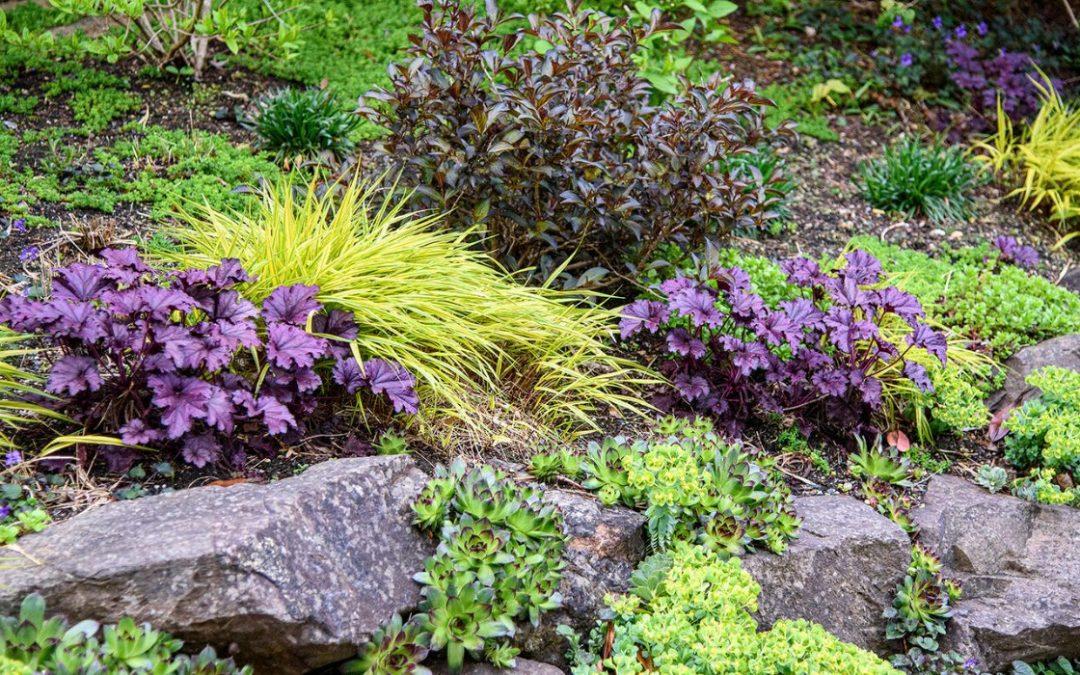
Spring planting is the smartest way to refresh commercial flower beds and shrubs in the Pacific Northwest. Cooler temperatures, natural rainfall, and active root growth allow plants to establish with less stress, fewer replacements, and better long-term performance. For property managers overseeing office parks, multifamily communities, and retail centers, spring planting is about protecting curb appeal, controlling maintenance costs, and setting the landscape up for success before summer arrives (as well as decoration!)
Why Spring Planting Is Popular for Commercial Landscapes in the PNW
Spring offers a rare alignment of conditions that favor plant success in Western Washington. Soils are moist but workable, temperatures are moderate, and plants can focus energy on root establishment instead of survival.
In cities like Seattle, Bellevue, Redmond, Issaquah, Shoreline, Edmonds, Lynnwood, Bothell, Woodinville, Mercer Island, and Mill Creek, spring planting allows landscapes to stabilize before the dry summer window. This reduces transplant shock, improves plant longevity, and minimizes the need for emergency replacements later in the season.
For property managers, that translates into fewer complaints, fewer surprises, and more predictable results.
How To Deliver The Most Visual Impact With Spring Plantings
Not every square foot of a property needs a full refresh to make a difference. The most effective spring planting strategies focus on high-visibility areas, especially places where tenants, residents, and visitors form first impressions.
These areas typically include primary vehicle entrances, parking-to-building walkways, and main building entries. These “paths to entry” are often the most noticeable and the most rewarding places to invest in refreshed plantings.
A well-timed spring upgrade in these locations can make an entire property feel cared for, even when larger landscape renovations are phased over time.
Designing Commercial Flower Beds That Feel Fresh in Spring
Spring landscapes in the Pacific Northwest should feel intentional and welcoming, not simply filled in after winter. Design decisions that work well in this region often incorporate elements such as fragrance, texture, and predictable growth habits.
Subtle spring scents near entrances can create an immediate sense of renewal. Layered plant groupings soften hard edges after winter dormancy. Clean lines, fresh mulch, and emerging growth send a clear signal that the property is actively managed.
For property managers, this improves first impressions without increasing ongoing maintenance.
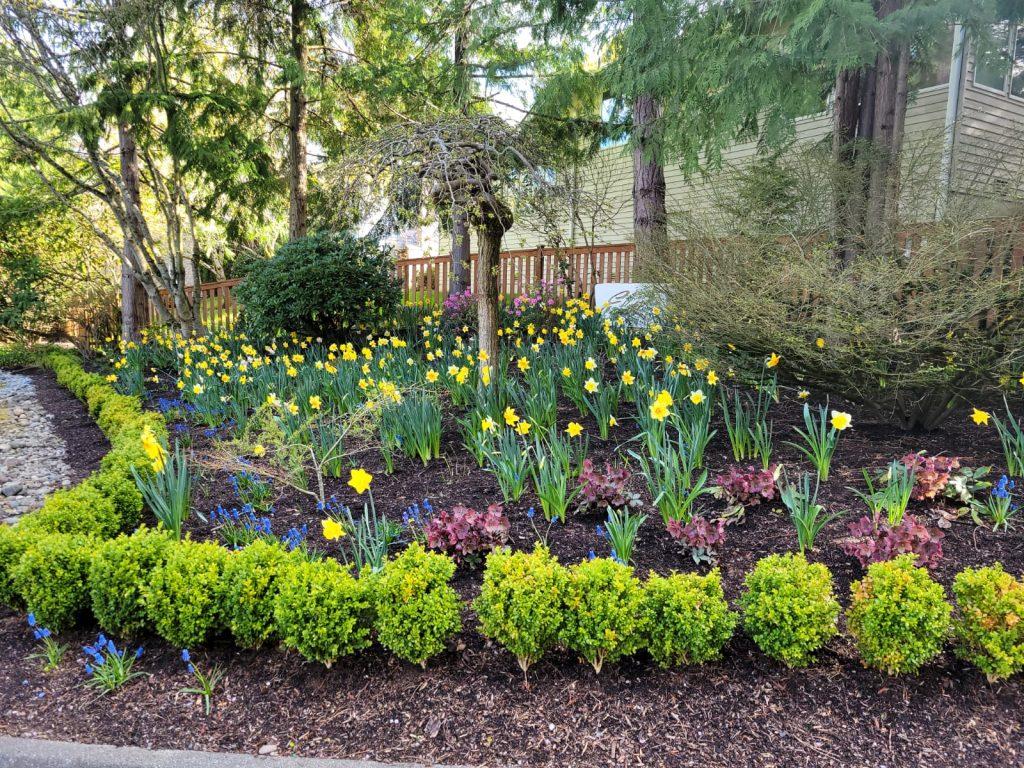
Choosing the Right Perennials for Shade and Sun Exposure in The PNW
Grouping plants by light conditions is one of the simplest ways to improve performance and reduce ongoing maintenance issues. In commercial landscapes, consistent groupings also make future replacements easier and more cost-effective.
Reliable perennials for shaded areas include:
- Hostas
- Heuchera (coral bells)
Reliable perennials for sunnier areas include:
- Rudbeckia
- Lavender varieties
- Russian sage
- Veronica
Using repeatable plant palettes across multiple buildings or entrances creates visual consistency without making the site feel repetitive.
What “Low-Maintenance” Really Means (And How Native Plants Fit In)
For commercial properties, a low-maintenance plant is not about where it comes from; it’s about how it behaves over time.
The most reliable plants are the ones that can largely take care of themselves once established. From a property management standpoint, that usually means plants with modest long-term water needs, predictable growth habits, and minimal pruning requirements. Many of these plants only need to be cut back once a year, rather than being shaped or managed throughout the growing season.
This is where the conversation around native plants often gets confusing.
Native plants, those that naturally occur in the Pacific Northwest, can be excellent low-maintenance options. But they are not the only plants that perform well here. What matters more than strict nativeness is whether a plant is well adapted to our climate.
In Western Washington, many plants originally grown in places like Japan thrive because they evolved in similar conditions: cool, wet winters; mild temperatures; and seasonal moisture patterns. These native-adapted plants often require just as little water and maintenance as local natives once established.
On the other hand, plants that need frequent pruning, specialized care, or constant monitoring, regardless of whether they are native, tend to create confusion, inconsistency, and unnecessary labor costs. Over time, they increase maintenance demands and make it harder to maintain the landscape’s intentional appearance.
The takeaway is simple:
Low-maintenance does not mean “native only.” It means choosing plants that match the Pacific Northwest climate, need fewer touches, and perform predictably year after year—protecting both the landscape and the maintenance budget.

But Before You Start Planting: Understand Soil Conditions in Western Washington
Even the right plants can struggle if the soil is working against them.
Soil conditions play a major role in plant success across the Pacific Northwest, and most commercial properties in this region share two common traits: heavy clay soils and naturally acidic profiles. These conditions are typical in Western Washington and completely manageable, but they do require planning.
- Clay-heavy soils can hold too much water, which limits root growth and drainage.
- Acidic soils can affect how well plants absorb nutrients.
Depending on the plant selection, soil amendments may be necessary to enhance drainage and root development, and lime may be used to buffer acidity.
The key is alignment. When plants are matched to existing soil conditions, or when the soil is improved before installation, plants establish more reliably and last longer. That reduces failures, replacements, and reactive maintenance in the future.
Spring is an ideal time to address these issues. Soil moisture levels are balanced, temperatures are moderate, and amendments integrate more effectively, giving plants a strong foundation before the growing season begins.
Why Early Spring Planning Makes Life Easier for Property Managers
Spring is the busiest season for commercial landscapes. Irrigation systems are coming online, weeds are emerging, and enhancement requests stack up quickly, often at the same time.
Planning spring planting early puts property managers back in control. It improves plant availability, reduces last-minute scheduling issues, and allows irrigation coverage to be reviewed and adjusted before problems show up on site. That means fewer surprises once the season is fully underway.
Early planning also protects the budget. Plants installed at the right time establish more reliably, need fewer replacements, and generate fewer reactive service calls later. Instead of managing complaints or approving unplanned expenses mid-season, property managers can rely on more predictable costs and smoother operations.
When spring planting is planned proactively, it supports day-to-day maintenance instead of competing with it, making it easier to keep properties looking good without adding complexity to an already full workload.
Key Takeaways for Property Managers
Spring planting is one of the most effective ways to improve commercial landscapes in the Pacific Northwest. By focusing on high-visibility areas, choosing low-maintenance plants, and planning early, property managers can achieve noticeable results without increasing complexity.
The goal is not to chase trends, but to create landscapes that perform well, look intentional, and support the long-term goals of the property.
Frequently Asked Questions About Spring Planting for Commercial Properties
1. When is the best time to start spring planting in the Pacific Northwest?
Late winter through early spring is ideal, before summer heat and peak maintenance season begin.
2. Why is spring better than summer for planting shrubs and perennials?
Cooler temperatures and natural rainfall reduce transplant shock and improve root establishment.
3. What areas of a commercial property should be prioritized first?
Primary entrances, walkways, and high-traffic visibility zones deliver the greatest impact.
4. Are native plants required for sustainable landscapes in Washington?
No. Native-adapted plants often perform just as well and still support sustainability goals.
5. How does soil type affect plant selection in Western Washington?
Clay and acidic soils require plant matching or soil amendments to ensure healthy growth.
6. Do spring plantings increase irrigation needs?
When planned correctly, spring plantings often reduce long-term water demand.
7. How often do commercial flower beds need to be refreshed?
High-visibility areas typically benefit from refresh cycles every two to three years.
8. What plants should be avoided in low-maintenance commercial settings?
Plants that require frequent pruning or specialized care often create unnecessary costs.
9. Does early planning really make a difference?
Yes. It improves plant availability, scheduling, and coordination with irrigation startup.
10. How does spring planting support long-term budgeting?
Healthy, well-established plants reduce replacements, labor hours, and reactive maintenance.