
Two landscape proposals can look almost identical on paper. Both might include mowing, pruning, weeding, cleanup, and other routine services, but that doesn’t mean you’re getting the same level of care.
The real differences are often in the details. How often will the work be performed? What happens when your landscape needs attention outside the routine schedule? Will your provider spot potential problems and bring them to your attention, or simply complete the tasks on the list?
Knowing what to look for helps you understand what each provider is actually offering before you compare the price.
In this article, you’ll learn:
- Why similar landscape proposals have different prices
- What to compare in the scope and frequency of service
- How to evaluate proactive management, communication, and professional expertise
- Why long-term planning matters
- What to ask before choosing between landscaping proposals
Start with the details that can make two similar-looking proposals very different.
How Can Two Landscape Maintenance Proposals Look Identical but Cost Differently?
Two landscape maintenance proposals can cost differently because service frequency, scope, expertise, and the level of ongoing landscape management can vary, even when the listed services look the same.
At Avid Landscape, we consider factors such as soil, plant material, water, and your landscape’s life-cycle stage when developing a long-term management plan. This helps us look beyond individual maintenance tasks and understand what your property needs as a whole.
Before comparing prices, look closely at what each proposal actually includes.
What Should You Compare in a Landscape Proposal?
When comparing a landscape proposal, look at the scope and frequency of service, proactive management, communication and accountability, professional expertise, long-term planning, and what falls outside the quoted price.
Scope and Frequency of Service
Start by figuring out exactly what you’re paying for. A landscape proposal should define the work included, how often it’s performed, and where the agreement ends.
For each proposal, look for:
- The specific work included under each service
- How often each service is performed
- Any limitations or exclusions
- Which needs are treated as additional work
- How additional work is recommended, approved, and priced
Routine maintenance may not include plant replacements, landscape enhancements, irrigation repairs, tree work, or other specialized services. Knowing where those responsibilities fall helps you compare the true scope of each proposal and anticipate expenses beyond the quoted price.
Also consider what happens when you need work outside that scope.
A provider that coordinates additional landscape-related services, whether through its own team or specialized subcontractors, gives you one point of contact instead of leaving you to find and manage multiple vendors.
Proactive Landscape Management
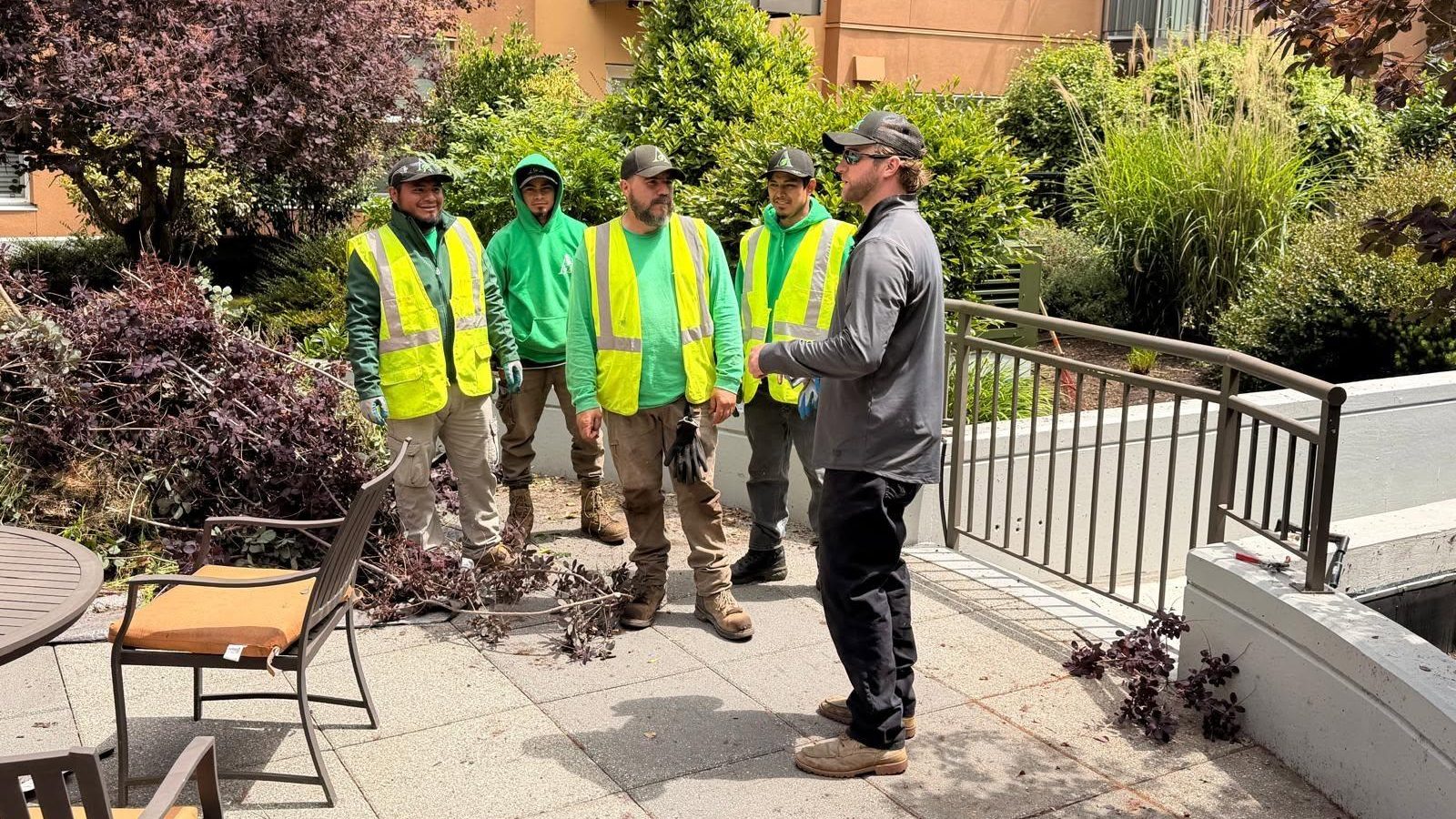
Look for a provider who pays attention to your landscape beyond the tasks scheduled for that day. Because your landscape crew is regularly on-site, they’re in a unique position to serve as another set of eyes and bring concerns to your attention.
That includes issues such as an irrigation leak, a damaged tree limb, moss creating a slippery walkway, or even a non-landscape issue the crew encounters while working. Addressing these concerns earlier gives you more time to respond and reduces the burden on you to monitor every detail yourself.
Proactive landscape management also includes:
- Checking irrigation systems for leaks and proper operation
- Watching trees for damaged limbs, clearance issues, or other concerns
- Using soil testing to better understand nutrient needs
- Discussing organic alternatives that align with your goals
Proactive attention is only useful if those observations make their way back to you. That makes communication and accountability another important part of comparing landscape proposals.
Communication and Accountability
Clear communication means you know who to contact, when to expect a response, and what happens when an issue needs attention. You shouldn’t have to chase down your landscape provider for answers or wonder whether a concern is being handled.
At Avid Landscape, we believe you should receive a response to questions or concerns within one business day, even if the initial response is simply an acknowledgment and a timeline for a complete answer.
Before choosing a provider, make sure you understand:
- Who your primary point of contact will be
- How problems and recommendations will be communicated
- What response time you should expect
- Whether emergency contact and response options are available
- How service concerns will be addressed
These expectations help you understand how responsive and accountable a provider will be once the work begins.
Experience and Professional Expertise
Look at the experience and qualifications of the people caring for your landscape maintenance. Training, horticultural knowledge, continuing education, and professional certifications give a team the technical knowledge to make informed decisions about your property.
Continuity matters, too. Frequent turnover means you repeatedly work with people who have to learn your history from scratch. A consistent team builds familiarity over time, leading to more consistent care.
At Avid Landscape, we invest in training and continuing education. Our team includes professionals with horticulture degrees and credentials such as ecoPRO, Landscape Industry Certified, and ISA Certified Arborist certifications.
Long-Term Planning
Long-term planning helps you make smarter decisions about where to invest in your landscape and prepare for future expenses instead of reacting to them as they arise.
As plants mature, repeatedly shearing them to fit the available space damages their natural structure and flowering cycles and increases long-term maintenance costs. Strategic transplanting, removals, or new plantings address the underlying issue instead.
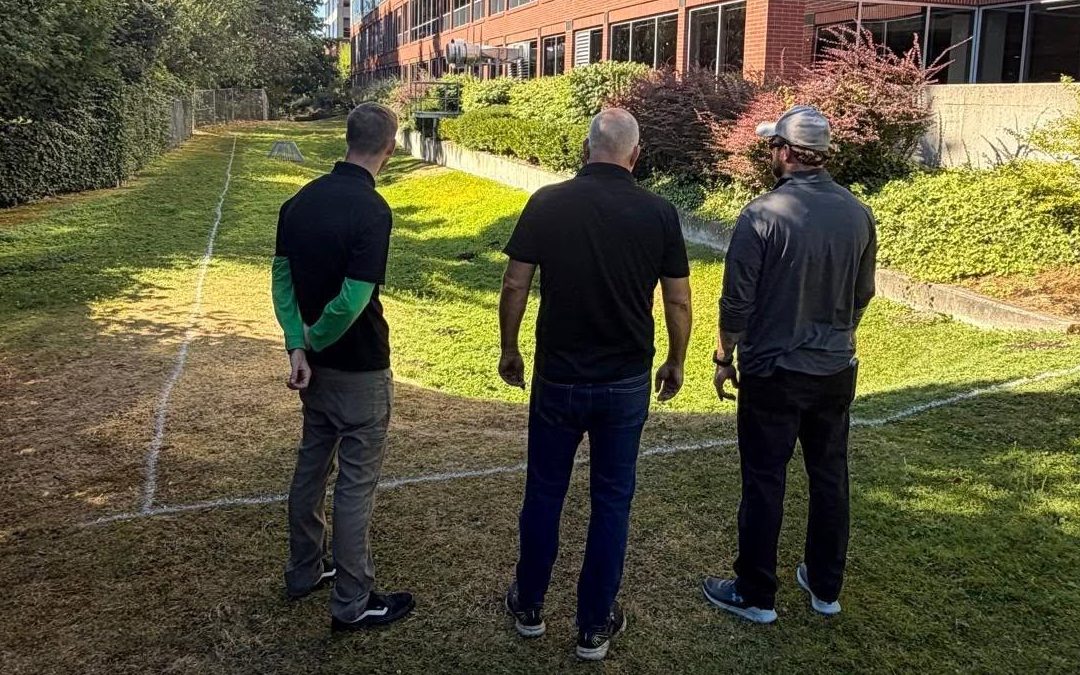
Your landscape provider should also work with you to identify future priorities and build them into your budget. Walking the property together and discussing your goals gives you a clearer picture of what’s coming and helps you plan for those investments before they become unexpected expenses.
For a deeper look at this approach, read Avid Landscape’s guide to commercial landscape budget planning.
What Questions Should You Ask Before Accepting a Landscaping Proposal?
Before accepting a landscaping proposal, use the conversation with the provider to fill in anything the proposal doesn’t make clear and understand what working with them will actually look like.
Ask questions such as:
- Who will be my primary point of contact once service begins?
- How quickly should I expect a response when I have a question or concern?
- Who should I contact if there’s an urgent issue?
- What happens when your crew notices something that needs attention outside the scheduled work?
- How do you handle work that falls outside the original scope?
- Will you coordinate specialized landscape services, or will I need to manage other vendors myself?
- How do you help me plan and budget for future landscape needs?
Pay attention to how clearly and specifically the provider answers. You’re getting a preview of the communication, responsiveness, and working relationship you’ll have after you sign.
How Do You Choose Between Two Landscaping Proposals That Look the Same?
When two landscaping proposals look similar, choose the one that best matches your priorities and gives you the clearest understanding of what to expect after you sign.
By this point, you should know what each provider is responsible for, what you’re responsible for, how communication will work, and how needs outside the original scope will be handled. Consider which working relationship you feel most confident moving forward with.
The right proposal sets clear expectations for the relationship behind that work.
FAQs
What should be included in a landscape maintenance proposal?
A landscape maintenance proposal should clearly define the services included, how often each service will be performed, any exclusions or limitations, communication expectations, and how additional work is approved and priced. It should give you a clear understanding of what the landscape provider is responsible for and what you’re paying for before you sign.
How do you compare two landscaping proposals?
To compare two landscaping proposals, review the scope of work, service frequency, communication expectations, professional expertise, approach to landscape management, and additional costs. Compare these details alongside the price so you understand what each provider will actually deliver for the amount quoted.
Why do landscape maintenance proposals vary in price?
Landscape maintenance proposals vary in price because providers may offer different scopes of work, service frequencies, levels of expertise, and approaches to ongoing landscape management. Even when two proposals list similar services, the amount of work and level of service included may be different.
Should you choose the lowest landscaping proposal?
No, you shouldn’t choose the lowest landscaping proposal based on price alone. First compare what’s included, how often services will be performed, what costs extra, and the level of service you’ll receive. The best value is the proposal that meets your priorities at a price that makes sense for the services provided.
What questions should you ask before accepting a proposal for landscaping?
Before accepting a proposal for landscaping, ask what’s included and excluded, how often services will be performed, who your primary contact will be, how quickly you should expect a response, and how additional work is handled. You should also ask how the provider handles urgent concerns and helps you plan for future landscape needs.