
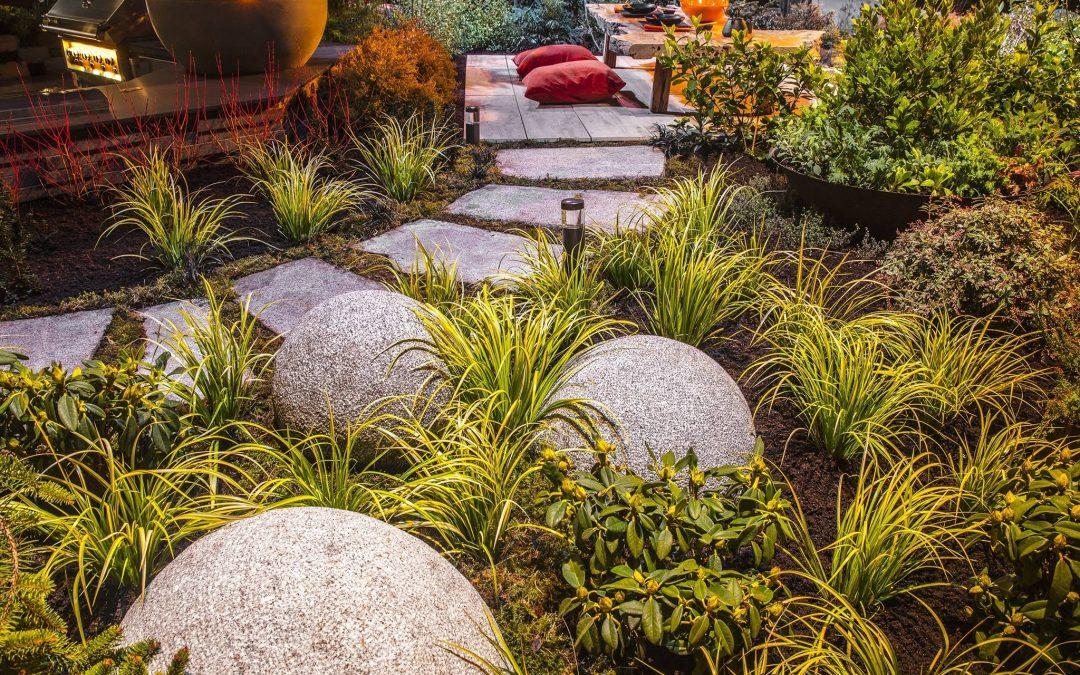
Planting in the fall gives you the opportunity to complete commercial landscape enhancements in Western Washington during the most favorable growing conditions. Whether you want to renovate planting beds, replace declining plants, or refresh entrances and other high-visibility areas, fall is a great time to invest in your landscape.
Completing these projects before winter enhances your property’s appearance and gives new plantings time to establish before the next growing season.
In this guide, you’ll learn why planting in the fall benefits commercial properties, which landscape enhancements to prioritize, and how to plan projects that support your property’s long-term appearance and performance.
Why Is Fall a Good Time for Commercial Planting?
Fall is a good time for commercial planting because it gives new landscape enhancements time to become established before the next growing season. Completing planting projects in the fall also allows you to improve your property’s appearance while avoiding many of the scheduling and installation challenges that come with the busy spring season.
For commercial properties, planting in the fall offers several advantages:
- Create a stronger first impression. Install new trees, shrubs, and seasonal plantings before spring so your property looks polished when activity increases.
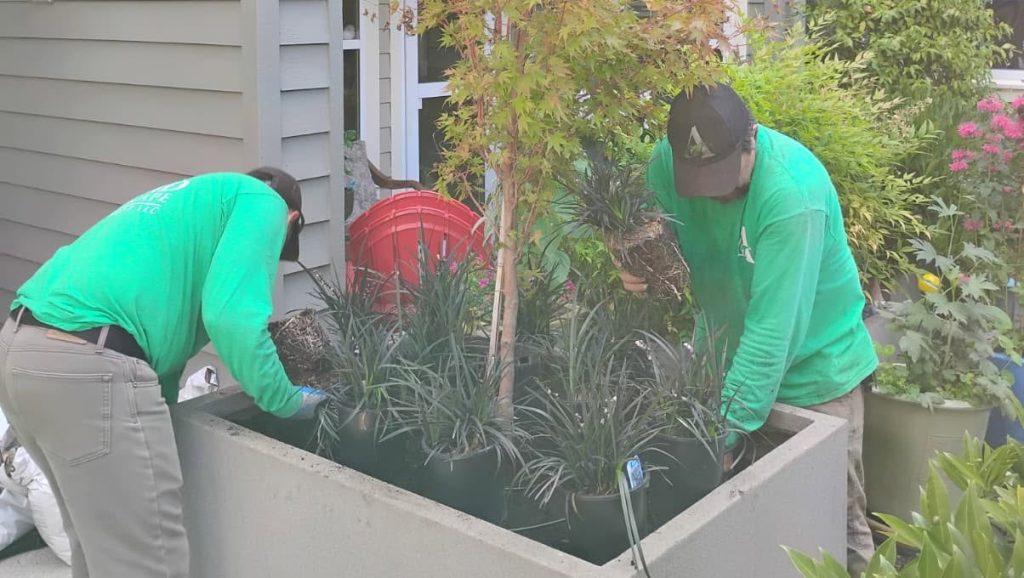
- Give new plantings time to establish. During the fall as air temperatures and daylength decline, soil temperatures remain consistent and plants put substantial energy into growing roots. The means that plants have several months to establish strong roots and adapt to their new environment before active spring growth begins.
- Complete projects before the spring rush. Scheduling enhancements in the fall often provides more flexibility for planning, plant selection, and installation.
- Refresh high-visibility areas. Update entrances, monument signs, courtyards, and other focal points that shape visitors’ first impressions.
- Support long-term landscape quality. Healthy, established plantings create a more consistent appearance and reduce the need for early replacements.
By completing landscape enhancements before winter, you position your property to enter the growing season with established plantings already in place, allowing you to focus on maintaining your landscape instead of catching up on deferred improvements.
Which Landscape Enhancements Should You Prioritize in the Fall?
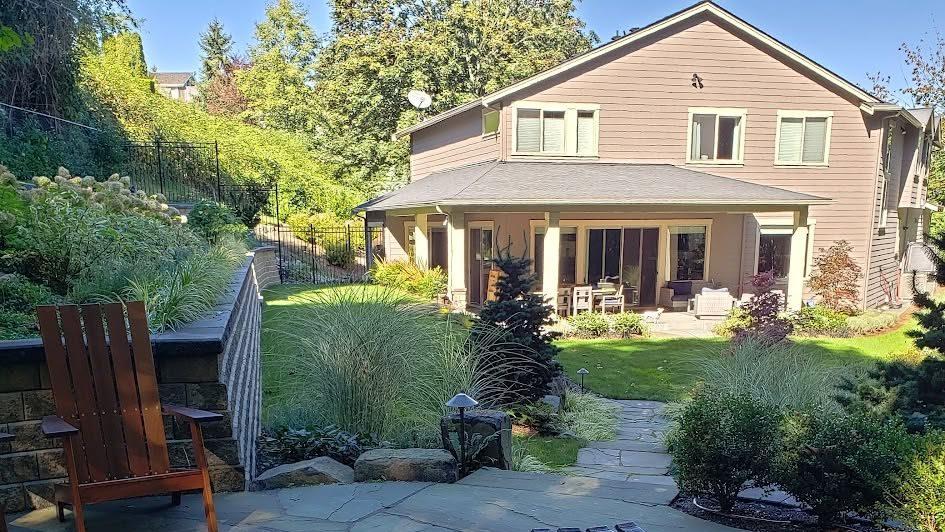
You should prioritize landscape enhancements that improve the areas people notice most, replace aging or declining plant material, and address landscape features that no longer meet your property’s needs. Focusing on these projects first helps you maximize the impact of your enhancement budget.
Some of the highest-priority enhancement projects include:
- Entrances and monument signs. Refresh these high-visibility areas to create a stronger first impression for tenants, visitors, and prospective clients.
- Planting beds with declining shrubs or perennials. Replace sparse, damaged, or overgrown plants to restore a healthy, well-maintained appearance.
- Common areas. Update courtyards, outdoor seating areas, walking paths, and other shared spaces to create a more inviting environment.
- Privacy and screening plantings. Add or replace trees and shrubs that improve privacy, define property lines, or screen parking areas, equipment, or utilities.
- Landscape beds with gaps or inconsistent plantings. Fill empty spaces and replace mismatched plant material to create a more cohesive landscape design.
- Replace underperforming plant material. Swap plants that consistently struggle with species better suited to Western Washington’s climate to improve long-term performance and reduce unnecessary maintenance.
Every property has different enhancement needs. Prioritizing the projects that address the most visible or underperforming areas lets you make meaningful improvements while planning future enhancements over time.
How Do You Choose the Right Plants for Your Property to Reduce Future Maintenance?
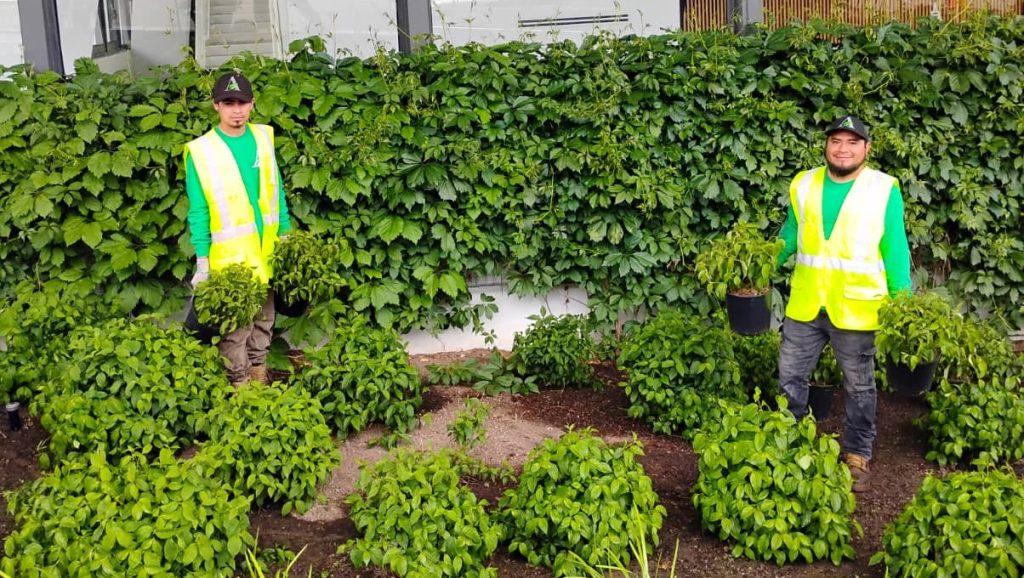
You choose the right plants by matching them to your property’s sunlight, soil conditions, available space, and water requirements. Plants that fit their environment require less pruning, irrigation, and replacement, helping you reduce maintenance costs while creating a more sustainable landscape.
| Plant Selection Factor | How It Reduces Maintenance |
| Mature size | Choosing plants that fit the available space reduces the need for frequent pruning and prevents overcrowding. |
| Sunlight | Matching plants to the amount of sun or shade they receive helps promote healthy growth and reduces plant stress. |
| Water requirements | Selecting plants with similar water needs improves irrigation efficiency and helps avoid overwatering or underwatering. |
| Soil conditions | Choosing plants that are well suited to the site’s soil type and drainage supports healthier root development and reduces plant loss. |
| Growth habits | Selecting plants that naturally fit the intended space minimizes ongoing maintenance and helps preserve the landscape’s design. |
Thoughtful plant selection supports more than long-term maintenance. Choosing plants that thrive in Western Washington’s growing conditions helps conserve resources, reduce unnecessary plant replacement, and create a landscape that remains healthy for years to come.
How Can Fall Planting Support Sustainability Goals?
Fall planting can support your property’s sustainability goals by establishing plants that are better suited to Western Washington’s climate and site conditions. Selecting the right plants for the right location helps reduce unnecessary water use, minimizes plant replacement, and supports a healthier landscape over time.
Sustainable landscape enhancements may include:
- Replacing underperforming plants with species that are better adapted to local growing conditions.
- Expanding plantings that require less supplemental irrigation once established.
- Improving soil health during installation to support stronger root development.
- Incorporating a diverse mix of trees, shrubs, grasses, and perennials that contribute to a more resilient landscape.
Sustainable planting doesn’t require sacrificing appearance. Thoughtful plant selection and proper installation create a property that looks attractive, supports long-term property goals, and uses resources more efficiently.
How Should You Fit Fall Enhancements Into the Landscape Budget?
Fall landscape enhancements work best when you treat them as capital improvements rather than routine maintenance expenses. Separating enhancement projects from your annual maintenance budget makes it easier to plan larger improvements without disrupting the services that keep your property looking its best throughout the year.
If your budget doesn’t allow you to complete every project at once, identify the enhancements that deliver the greatest return first. Updating highly visible areas, replacing failing plant material, or improving spaces that tenants use every day often provides more value than making small changes across the entire property.
A multi-year enhancement plan helps you spread costs over several budget cycles while intentionally continuing to improve your property. Instead of reacting to individual plant failures, you can make planned investments that support your property’s long-term appearance and functionality.
When Should Property Managers Start Planning Fall Planting?
Property managers should start planning fall planting in late summer to secure the best plant selection and schedule installation before the busiest part of the season. Waiting until fall can limit plant availability and reduce scheduling flexibility as demand for enhancement projects increases.
Starting early allows you to:
- Reserve trees, shrubs, and other plant material before inventory becomes limited.
- Schedule installation during the ideal planting window instead of waiting for the next available opening.
- Coordinate enhancement projects with other planned property improvements.
- Complete projects before colder weather and shorter days begin to affect installation schedules.
Starting the planning process in late summer gives you more options and greater flexibility, making it easier to complete your enhancement projects on time and with the plant material you want.
Frequently Asked Questions
Plan Your Fall Landscape Enhancements
A well-planned enhancement project helps you improve your property’s appearance while making the most of your landscape budget. A property walkthrough allows you to identify priority improvements, evaluate planting opportunities, and develop a plan that aligns with your goals.
Ready to get started? Schedule a property walkthrough with Avid Landscape Management and start planning your fall landscape enhancements.